 admin
admin
The World Bank has said that economic growth in Nigeria is being threatened by certain macroeconomic challenges, including dollar shortage, petrol subsidy and the fiscal deficit financing by the Central Bank of Nigeria.
The bank disclosed this in its Nigeria Development report, which was released on Tuesday.
The report identified measures taken by the government to tackle the pandemic-induced economic challenges.
“In 2020, the Nigerian government began to address longstanding macroeconomic challenges by harmonising the two main exchange rates, adjusting electricity tariffs to more cost-reflective levels, cutting nonessential spending, redirecting budgetary resources towards the COVID-19 response at both the federal and state levels, strengthening debt management, and increasing the transparency of oil and gas operations,” it said.
It noted that certain macroeconomic challenges had emerged that were undermining efforts made towards economic rebound.
The World Bank said, “However, the reform momentum weakened in 2021, and in the absence of continued progress, key macroeconomic challenges have re-emerged as major threats to growth.
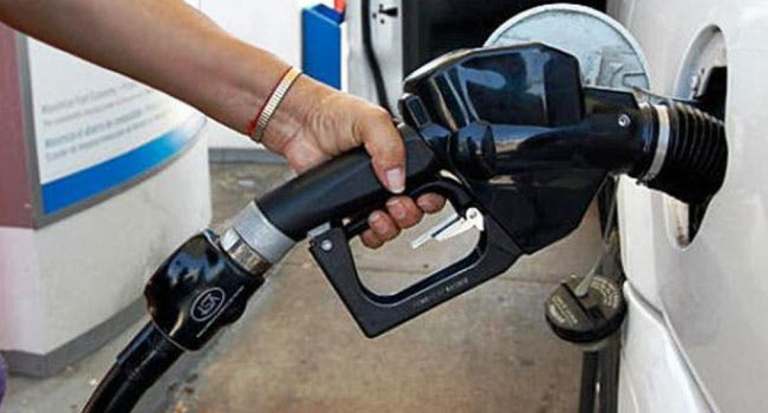
“Issues around the predictability and credibility of exchange-rate management, the insufficient supply of foreign exchange, the unsustainable subsidy for premium motor spirit, burdensome trade restrictions, and the sizeable fiscal deficit financing by the Central Bank of Nigeria continue to undermine the business environment, compounding underlying constraints related to governance and the delivery of public services.”
The report said despite a strong initial recovery and resurgent global oil prices, the stalled reform agenda had undermined Nigeria’s long-term growth prospects.
The World Bank Country Director for Nigeria, Shubham Chaudhuri, said slow economic reform momentum was impeding the country from attaining its growth potential.
He said, “Even though Nigeria’s economy exited a pandemic-induced recession, several challenges persist including double-digit inflation, declining incomes, and rising insecurity.
“While the government took bold policy measures to mitigate the impacts of the COVID-19 crisis, the reform momentum has slowed which hinders Nigeria’s ability to reach its growth potential.”