
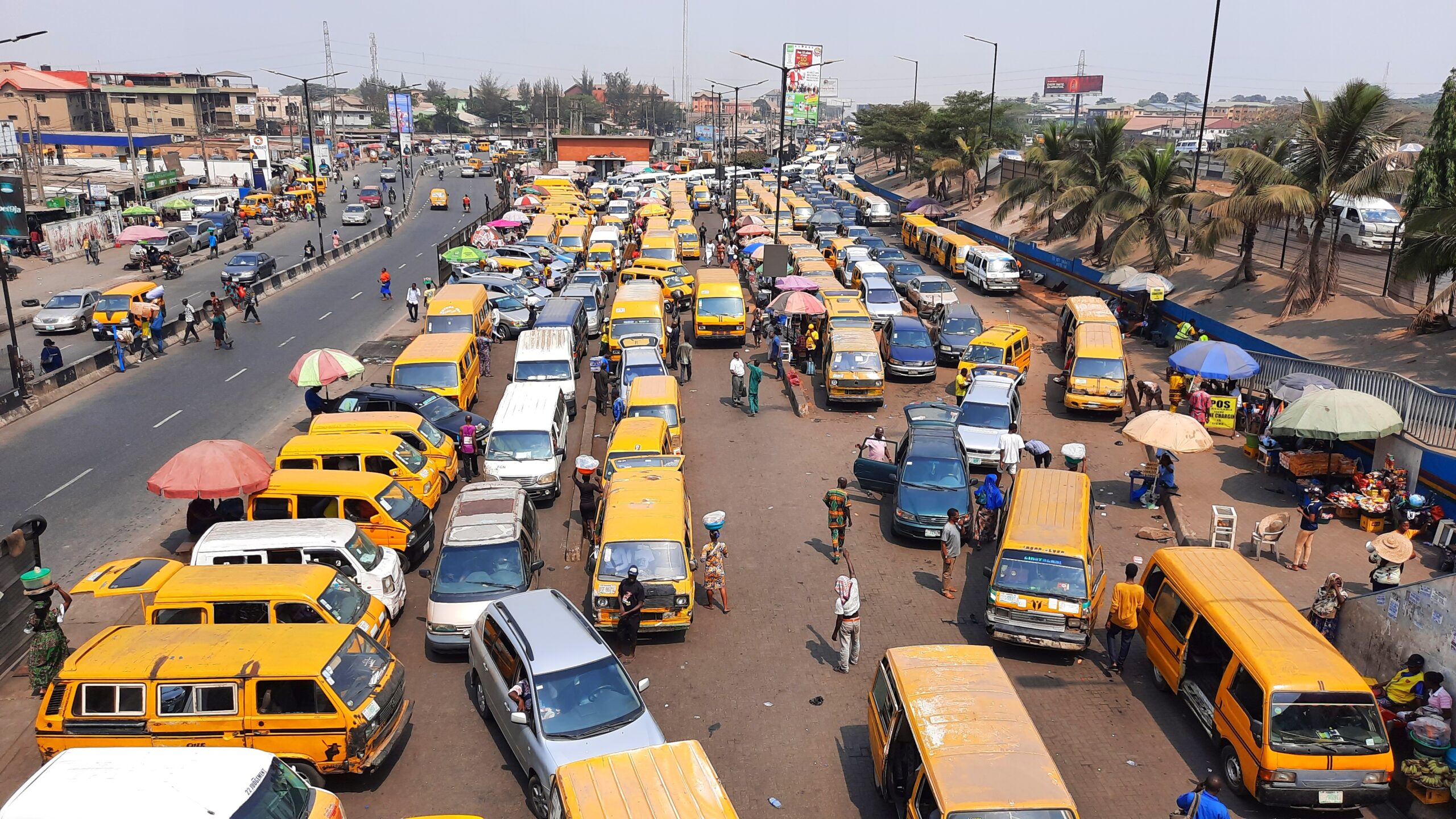
Report ranks Lagos 4th worst city to live in


The Economist Intelligence Unit’s 2023 Global Liveability report has ranked Lagos as the fourth worst city to live in the world.

The report surveyed 173 cities and used 30 qualitative and quantitative factors across five broad categories: stability, healthcare, culture and environment, education, and infrastructure.

Lagos was ranked above Algiers, the capital of Algeria; Tripoli, Libya’s capital; and Damascus, the capital of war-torn Syria.

EIU said Lagos moved up the ranks after seeing improvements in healthcare and education but added that corruption is still a problem.

In 2022, Lagos was the second worst liveable city after holding the position for two consecutive years and was only behind Damascus which has been held down on the list by social unrest, terrorism, and conflict.

“Even at the bottom of our rankings, cities such as Lagos (Nigeria) and Algiers (Algeria) have gained ground, with some improvements in their healthcare and education systems. Both are in countries that are energy exporters and have to some extent benefited from higher global oil and gas prices,” the report reads.

“Although corruption continues to be an issue, some additional public funding has been made available for infrastructure and public services, which have also benefited from the decline in covid cases.”

Vienna, the Austrian capital, and Copenhagen, the capital of Denmark, retained their positions as first and second most liveable cities in the world owing to their “unsurpassed combination of stability, good infrastructure, strong education, and healthcare services, and plenty of culture and entertainment”.

Melbourne and Sydney, cities in Australia, and Vancouver in Canada came in at third, fourth, and fifth places respectively on top of the ranks.

  • Related Posts

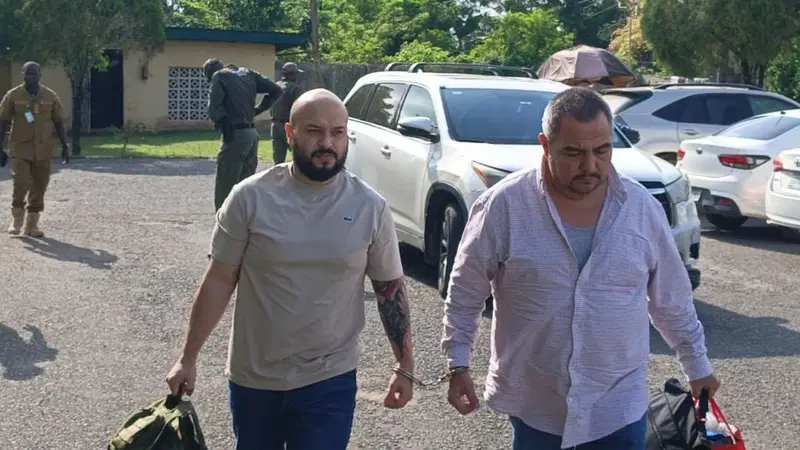
    NDLEA remands two Mexicans, four Nigerians over Oyo meth lab

      The National Drug Law Enforcement Agency (NDLEA) has arraigned two Mexican nationals and four Nigerians over their alleged involvement in the establishment and operation of a clandestine methamphetamine laboratory…

    Why Nigerians Are Getting Fewer Hours Of Electricity — NISO

      The Nigerian Independent System Operator (NISO) has attributed the latest decline in electricity supply across the country to inadequate gas supply to thermal power plants and reduced water levels…

    Leave a Reply

    Your email address will not be published. Required fields are marked *

    You Missed

    NDLEA remands two Mexicans, four Nigerians over Oyo meth lab

    • By admin
    • November 6, 2026
    • 3 views
    NDLEA remands two Mexicans, four Nigerians over Oyo meth lab

    Nigeria’s External Debt Hits $145bn As Servicing Burden Rises — World Bank

    • By admin
    • November 6, 2026
    • 3 views
    Nigeria’s External Debt Hits $145bn As Servicing Burden Rises — World Bank

    Why Nigerians Are Getting Fewer Hours Of Electricity — NISO

    • By admin
    • November 6, 2026
    • 4 views
    Why Nigerians Are Getting Fewer Hours Of Electricity — NISO

    PSC dismisses three police officers over ‘misconduct’, redeploys four CPs

    • By admin
    • November 6, 2026
    • 4 views
    PSC dismisses three police officers over ‘misconduct’, redeploys four CPs

    NSCDC sanctions 66 personnel over misconduct

    • By admin
    • November 6, 2026
    • 12 views
    NSCDC sanctions 66 personnel over misconduct

    Kenyan starvation cult leader sentenced to 200 years for murdering children

    • By admin
    • November 6, 2026
    • 10 views
    Kenyan starvation cult leader sentenced to 200 years for murdering children