 admin
admin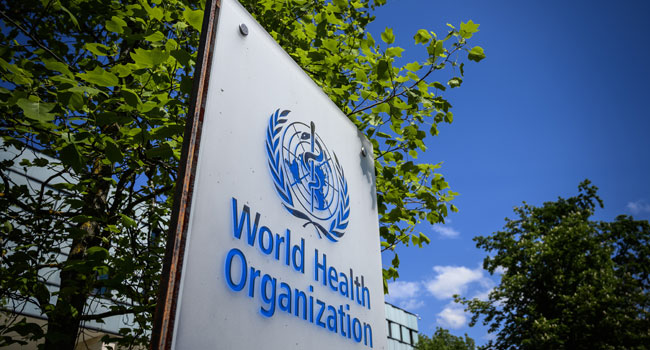
The World Health Organisation said Nigeria has allocated an additional $200m to health in its 2025 Budget to avert the health impacts that the sudden and unplanned cuts are having.
The Director General of WHO, Dr Tedros Ghebreyesus, disclosed this in a speech on the organisation’s website on Sunday.
In January, the Trump Administration issued an Executive Order halting foreign aid for 90 days and later issued a waiver for lifesaving medicines and medical services, offering a reprieve for a worldwide HIV treatment programme.
This waiver allows for the continuous distribution of HIV medications and medical services supported by PEPFAR in Nigeria.
Last week, WHO stated that health service disruptions were reported in 70 per cent of its surveyed country offices as a result of sudden suspensions and reductions in official development assistance for health.
The findings, based on rapid WHO assessment of the fast-evolving situation, raise concern for potentially deeper and prolonged effects on health systems and services across the world, especially in vulnerable and fragile settings, as this requires urgent action and international response.
The organisation compiled feedback from more than 100 countries to understand the impact and the support those countries need to mitigate it.
It noted that the results showed severe disruptions to health services in almost three-quarters of countries and closures of health facilities in one-quarter of countries.
It emphasised increased out-of-pocket payments for health services in one quarter of country offices, job losses for health and care workers, and disruptions to information systems and the supply of medicines and health products as a result of the funding cuts.
Ghebreyesus, however, said in response that countries are revising budgets, cutting costs and strengthening fundraising and partnerships.
“WHO has been working with countries for many years to support them to transition away from aid dependency to sustainable self-reliance, based on domestic resources. We are now supporting countries to accelerate that transition to avert the health impacts that these sudden and unplanned cuts are having.
“For example, South Africa’s parliament has approved an additional US$1.5 billion for its health budget this year; Nigeria has allocated an additional US$200 million to health in its 2025 budget; Kenya’s health ministry has requested an additional US$250 million from the National Treasury to support health services; and Ghana is also taking steps to bridge its financing gap.
“Countries are asking for WHO’s support for innovative fundraising and targeted technical assistance, and WHO is working to provide that support as best we can,” he noted.
The WHO chief advised countries to prioritise the poorest, and prevent exposing them to impoverishing out-of-pocket health spending; protect health budgets and resist reductions in public health spending; donor funds should be channelled through budgets; and avoid cutting services or closing facilities, and absorb as much of the impact as possible through efficiency gains in health systems.
He said countries can include improving procurement, minimising overheads, pooling the purchasing of goods and services, and using health technology assessment to guide decisions on which services and products provide the biggest health gains for the money.
“There are also several tools that countries can use to generate new sources of revenue. In the short term, immediate measures include introducing or increasing taxes on products that harm health, including tobacco, alcohol and sugary drinks.
“Countries including Colombia, the Gambia, Philippines, South Africa, Sri Lanka, Timor Leste, Thailand and more have all introduced such taxes in recent years, and seen consumption decrease and revenues increase.
“In the longer term, countries that don’t already have social and community-based health insurance can introduce it, in which individuals or families contribute a small amount to a fund which finances health services. Not all of these measures will be right for every country, especially countries that have weak tax collection or a large, unregulated informal sector.
“These countries will require significant loans from development banks at concessional rates and the right terms. WHO is working with affected countries to identify which measures are best for them and to tailor those measures accordingly,” he added.