
 admin
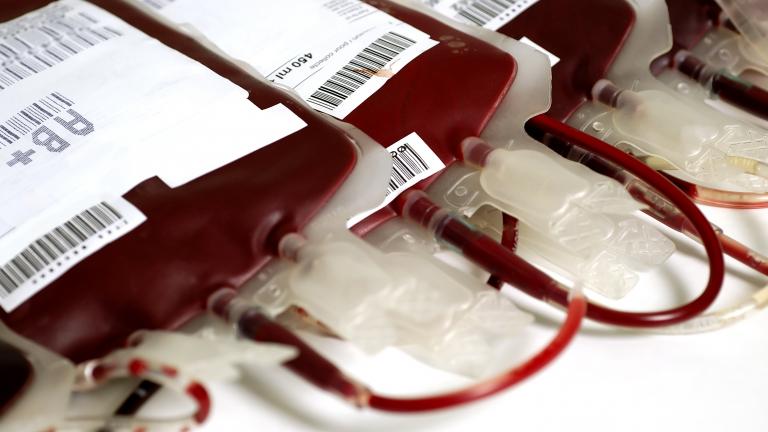
Jehovah’s Witnesses have announced a major clarification on blood transfusions, giving members the right to choose whether their own blood can be used during surgery or other procedures.
The move maintains the ban on transfusions of another person’s blood but allows individual discretion in life-saving treatments.
Religious reasoning and biblical guidance
In a video statement released on their website on Friday, Governing Body member Gerrit Lösch said the clarification aims to give Christians the freedom to make personal decisions regarding the use of their own blood during surgeries or other medical treatments.
He emphasised that while Christians must abstain from blood as a doctrinal principle, the Bible does not comment on using one’s own blood in medical care.
“Regarding the use of one’s own blood…a Christian must decide for himself how his own blood will be handled in the course of a surgical procedure, medical test, or current therapy,” he said.
He cited biblical instructions from Noah and the Mosaic Law, noting that Christians today are not bound by the command to pour out blood and cover it with dust: “The Bible does not comment on the use of a person’s own blood in medical and surgical care.”
According to him, many members already accept procedures involving their own blood, including blood tests, heart-lung machines, cell salvage devices, and kidney dialysis.
Lösch further explained that Christians may now choose whether their blood is removed, stored, and returned during surgery.
“Therefore, after much prayer and consideration of the Scriptures, the Governing Body has decided to clarify our position on the use of a patient’s own blood in medical and surgical care.
“Some Christians may decide that they would allow their blood to be stored and then be given back to them. Others may object. Each Christian must make his personal decision on all matters involving the use of his own blood with regard to medical or surgical care,” Lösch added.
The debate has taken on renewed attention in Nigeria following the death of cancer patient and social media personality, Mensah Omolola, also known as AuntieEsther, who died in December 2025.
She publicly rejected a blood transfusion recommended by doctors, citing her faith, and instead chose alternative treatments supported by Nigerians who donated over ₦30 million.
Despite warnings from her church about possible disciplinary action, including disfellowship, she followed her beliefs. Her passing has sparked national debate on the tension between faith and medical guidance.
Jehovah’s Witnesses’ clarification now allows members to exercise personal choice regarding their own blood, reflecting both their religious principles and modern medical possibilities.
Historical context: why blood is avoided
The prohibition on receiving blood transfusions has long been a defining principle for Jehovah’s Witnesses, rooted in biblical teachings rather than medical concerns.
A 2019 statement clarified common misconceptions, emphasising that Witnesses do not reject medical care. “God views blood as representing life. So we avoid taking blood not only in obedience to God but also out of respect for him as the Giver of life,” the statement said.
The guidance stems from multiple passages in both the Old and New Testaments, including Genesis 9:4, Leviticus 17:10, Deuteronomy 12:23, and Acts 15:28–29, which instruct abstaining from blood.
Over the years, Witnesses have consistently sought the best available medical care, adapting modern procedures to align with their faith.
The statement also debunked myths, noting that Witnesses do not rely on faith healing and that avoiding blood transfusions does not automatically result in worse outcomes.
Bloodless techniques, including cell salvage, heart-lung machines, and dialysis, allow patients to receive high-quality care while adhering to religious principles