 admin
admin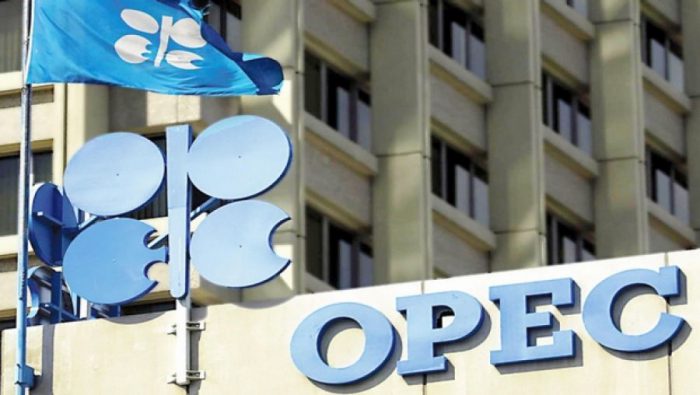
The United Arab Emirates (UAE) says it is quitting the Organization of the Petroleum Exporting Countries (OPEC) after nearly 60 years of membership.
The Middle East nation is also exiting OPEC+, a wider alliance of the oil cartel.
In a post on X on Tuesday, Suhail Mohamed AlMazrouei, the UAE’s minister of energy, said the country’s decision to leave OPEC also aligns with policy developments in the energy sector.
“The UAE’s decision to exit OPEC aligns with sector policy-driven developments and is consistent with long-term market fundamentals,” he said.
“We express our appreciation to OPEC and member states for decades of constructive cooperation.”
The energy minister reaffirmed the UAE’s commitment to energy security by providing reliable, responsible, and low-emission supplies, supporting global market stability.
The development comes amid ongoing tensions in the Middle East due to the conflict between the United States, Israel, and Iran, which has significantly disrupted the global economy and pushed energy prices to astronomical levels.
The UAE, which produces 2.9 million barrels of oil a year, according to figures from OPEC, joined the oil cartel in 1967
Analysts believe that with the UAE’s exit, the oil group could lose about 15 percent of its capacity and “one of its most compliant members”.
OPEC has 12 members, including Algeria, the Republic of the Congo, Equatorial Guinea, Gabon, Iran, Iraq, Kuwait, Libya, Nigeria, Saudi Arabia, the UAE, and Venezuela, which together control around 30 percent of the global oil supply.
The UAE’s departure will leave the oil cartel with 11 members, putting pressure on Saudi Arabia — which produces nine million barrels of oil — to keep the remaining member nations together.