 admin
admin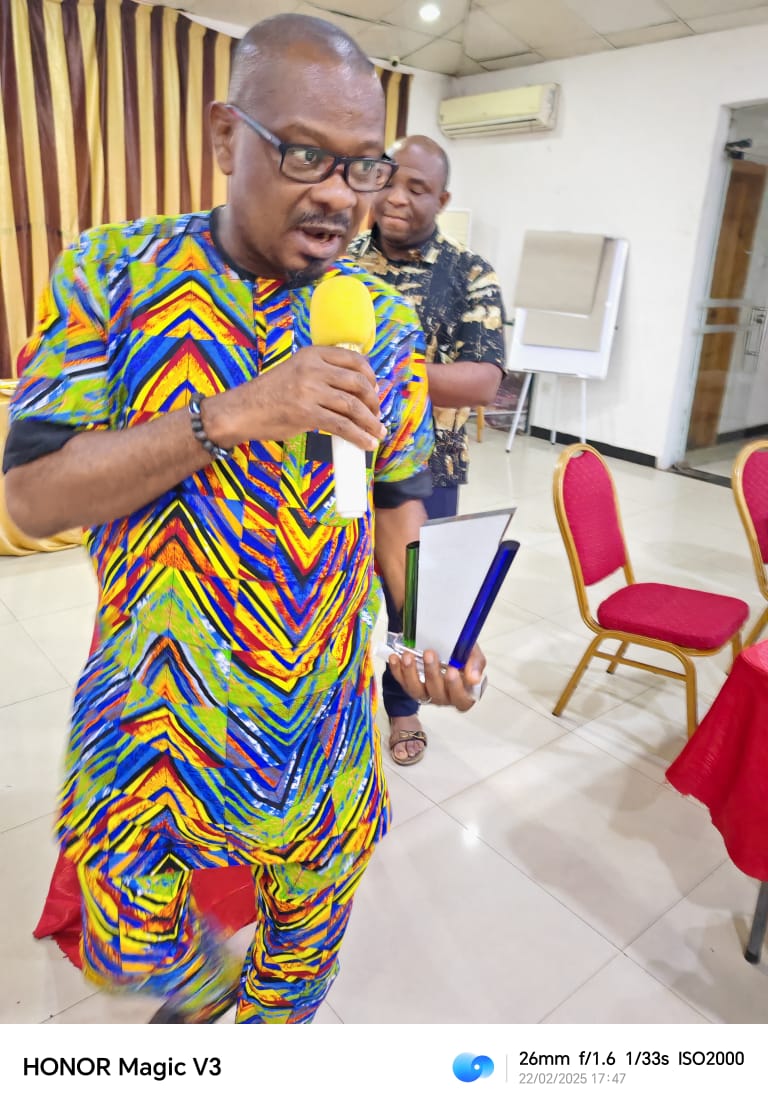
By Okechukwu Nwanguma
As Nigeria marks another Democracy Day, the question many citizens ask is whether there is truly anything to celebrate. The answer is both yes and no.
Yes, because Nigeria has maintained civilian rule continuously since 1999. We can celebrate the resilience of Nigerians who resisted military dictatorship, the sacrifices of the heroes of June 12, and the fact that democratic space, however imperfect, still exists. We can celebrate the courage of citizens, journalists, civil society organizations, labour unions, and pro-democracy activists who fought for the restoration of democratic governance and continue to defend democratic freedoms today.
But celebration must not become an excuse for complacency. Democracy cannot be measured merely by the conduct of elections or the existence of elected governments. It must be judged by the extent to which it improves the lives of citizens, protects their rights, guarantees justice, and ensures accountability.
Thirty-three years after the historic June 12 election and twenty-seven years after the return to civilian rule, many Nigerians continue to face poverty, insecurity, corruption, unemployment, and exclusion from governance. Human rights violations persist. Security agencies are too often implicated in abuses rather than protection. Civic freedoms are increasingly threatened by intimidation, arbitrary arrests, misuse of cybercrime laws, and attempts to silence dissenting voices. Public confidence in democratic institutions has been eroded by electoral controversies, weak accountability mechanisms, and the perception that public office is more about access to power than service to the people.
The enduring significance of June 12 lies not in annual ceremonies but in its democratic ideals. The election represented the possibility of a Nigeria where the will of the people prevails, where votes count, where institutions are trusted, and where leaders derive legitimacy from genuine popular consent.
The real challenge before Nigeria is whether we are moving closer to or further away from those ideals. Democracy Day should therefore be more than a celebration; it should be a moment of honest reflection and national recommitment to the principles of accountability, rule of law, human rights, inclusion, and electoral integrity.
The heroes of June 12 did not struggle merely for civilian government. They struggled for a democratic Nigeria founded on justice, freedom, and accountable governance. The best way to honour their sacrifice is not through speeches or symbolic recognition alone, but by building institutions that protect citizens, respect rights, ensure that every vote counts, and hold power accountable.
Until democracy consistently delivers justice, security, dignity, and opportunity for all Nigerians, June 12 will remain not only a day of celebration but also a reminder of promises yet to be fulfilled.
Okechukwu Nwanguma
Executive Director
RULAAC
12/06/26