 admin
admin
The Independent Corrupt Practices and other
Related Offences Commission (ICPC) is set to begin the second phase of tracking
of constituency projects, crimefacts.news can report.
This follows the huge successes recorded in
the first phase of the exercise carried out in 12 states of the federation.
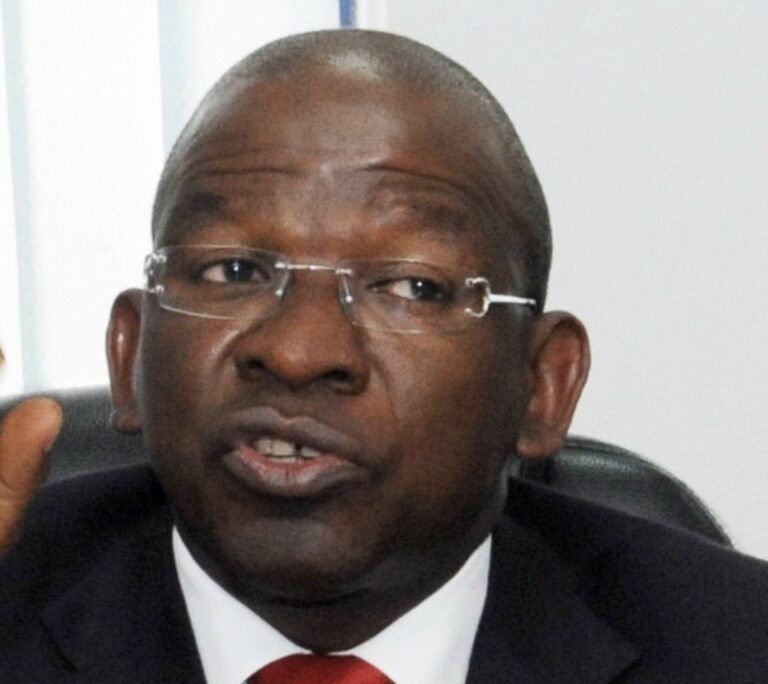
ICPC Chairman, Professor Bolaji Owasanoye,
during a pre-planning retreat for officers of the Commission and stakeholders
in the Constituency Project Tracking Group (CPTG), said that over 200
contractors had returned to sites to complete water, health-care and many other
projects that were hitherto abandoned.
Owasanoye added that CPTG recorded other
successes that include the recoveries of six tractors, ambulances, dialysis
machines and other hospital equipment from the sponsors of the projects across
the 12 pilot states.
The
successes further include the recovery of huge sums of money from the sponsors
of the projects as well as ensuring the distribution of hundreds of tricycles,
grinding machines and other empowerment items, some of which were secured in
2016, to beneficiaries.
He said but for the CPTG initiative, monies
released by the federal government for the benefit of the people through the
implementation of constituency projects, would have been diverted by the
sponsors of the projects, contractors and other collaborators.
The ICPC boss also reiterated that the
constituency projects tracking exercise was not targeted at anybody or group,
however, it was a means to ensure that the constituents were not shortchanged
by their elected representatives in quality project delivery.
According to him “The key objective is to get
the project done for the benefit of the people. It is not meant to witch-hunt
anybody or politician”.
However, Owasanoye warned that the Commission
would not hesitate to use its enforcement powers on anybody found to have
corruptly enriched himself through non-execution of projects or planned to
deliberately frustrate the work of CPTG.
He added that the CPTG would also focus on
civil servants in relevant agencies in charge of implementation of constituency
projects, who collude with the sponsors and contractors to deny the
constituents the benefits of the projects.
The second phase would focus on tracking
infrastructural and agricultural projects, besides empowerment and capacity
building, education and healthcare projects of the first phase. Værdiborg