 admin
admin
Bill seeking Tiktok, bloggers to open offices in Nigeria passes second reading
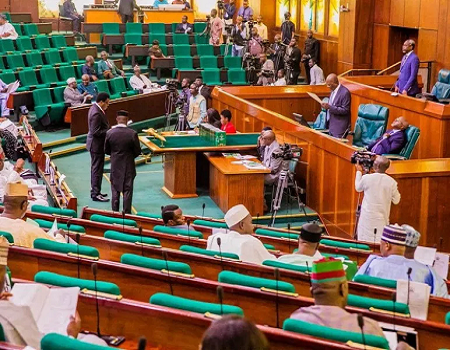
A bill seeking to amend the Nigeria Data Protection Act, 2023, to require social media platforms to establish physical offices within the country has passed a second reading in the Senate.
The bill, titled “A Bill for an Act to Amend the Nigeria Data Protection Act, 2023, to Mandate the Establishment of Physical Offices within Nigeria by Social Media Platforms, and for Related Matters, 2025 (SB. 650),” was sponsored by Senator Ned Nwoko (Delta North).
During Tuesday’s plenary, Nwoko pointed out that Nigeria, with over 220 million people, has the highest social media usage in Africa and ranks second globally, spending an average of three hours and 46 minutes daily online, according to a Global Web Index report cited by Business Insider Africa.
Despite this heavy engagement, he noted that major social media platforms like Facebook, X, Instagram, WhatsApp, YouTube, TikTok and Snapchat do not have physical offices in Nigeria, unlike in other countries.
Nwoko listed limited local representation, economic losses and challenges in enforcing legal and data protection policies as some of the issues caused by the absence of these offices.
The bill also introduces new rules for bloggers, requiring them to open a verifiable office in any state capital, keep proper employee records and join a national association of bloggers headquartered in Abuja.
According to Nwoko, these measures will improve accountability, transparency, and professionalism in Nigeria’s digital space, just like traditional media houses.
He clarified that the bill is not meant to restrict social media but to ensure fairness and recognition of Nigeria’s influence in the digital world.
Reacting to the bill, Senate President Godswill Akpabio agreed that having a local office for digital platforms is useful but stressed that blogger regulations need careful review.
“It’s good to have an address, but bloggers are slightly different. I think the best thing is for the bill to go for a second reading and subsequently a public hearing for more clarity,” Akpabio said.
He also reassured that the bill is not aimed at restricting social media but rather to ensure proper taxation and record-keeping.
“I was looking to see if it intends to gag bloggers, but I haven’t seen that, so we wait for it to get to the stage of public hearing,” he added.
The bill has been sent to the Senate Committee on ICT and Cyber Security, which will report back in two months.