 admin
admin
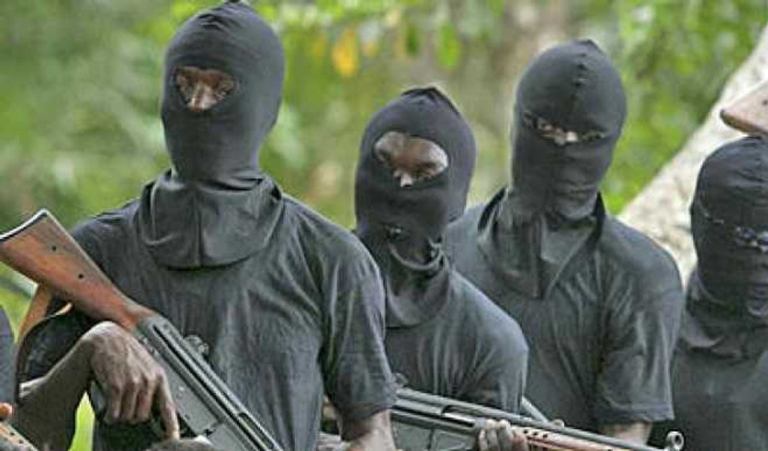
The United Nations says some weapons looted during the Libyan conflict in 2011 ended up in the hands of extremist groups in Nigeria.
Speaking to delegates on the spread of illicit firearms on Tuesday, at the UN headquarters in New York, United States, Izumi Nakamitsu, UN under-secretary-general and high representative for disarmament affairs, said looted weapons fuel violence in communities long after wars have ended.
Nakamitsu said weapons looted during the 2011 conflict in Libya resurfaced across the Sahel region and have caused devastation across peaceful communities.
“Libya, where weapons looted or diverted during and after the 2011 conflict, which ended the rule of Muammar Gaddafi, later surfaced across the wider Sahel region, including in Niger, Burkina Faso, and Nigeria,” Nakamitsu said.
“Some were subsequently found in the hands of extremist groups, illustrating how arms from one conflict can destabilise neighbouring countries years later.
“The end of the conflict does not mean the end of the circulation of those weapons; it stays, and it continues to harm people.”
She added that small arms proliferation can undermine peacebuilding efforts.
The high representative for disarmament affairs noted that weapons retained by armed groups, militias, and communities for self-protection can contribute to renewed violence and instability.
She pointed out that illicit weapons are linked to human rights abuses, terrorism, and sexual and gender-based violence.
“It is not just a security issue. It is also about peacebuilding. It is about human rights. It is also about development,” Nakamitsu said.
The under-secretary general said weapons used in conflict would continue to circulate, crossing borders and fuelling crime.
“Wars end, but unfortunately, the weapons that are used in that particular conflict would not be under full control,” she said.
“They continue to circulate. They are sometimes hidden. They are brought across borders.”
She added that the emergence of ghost guns, 3D-printed firearms, and sophisticated trafficking networks are creating new challenges for governments worldwide.
“Those weapons or weapon parts, if they are disassembled and then trafficked, are more difficult to trace.”