 admin
The National Bureau of Statistics, in its latest report released on Monday, said the country’s headline inflation rate dropped to 23.18 per cent in February 2025 from 24.48 per cent recorded in January, reflecting a 1.30 per cent decrease within the month.
On a year-on-year basis, the inflation rate dropped by 8.52 percentage points from 31.70 per cent recorded in February 2024.
The NBS noted that while the inflation figures were calculated using a different base year, the decline suggests a significant slowdown in price increases compared to the same period last year.
The month-on-month inflation rate for February stood at 2.04 per cent, indicating the rate at which prices increased within the month.
The NBS noted, “In February 2025, the Headline inflation rate eased to 23.18% relative to the January 2025 headline inflation rate of 24.48 per cent.
“Looking at the movement, the February 2025 Headline inflation rate showed a decrease of 1.30 per cent compared to the January 2025 Headline inflation rate.
“On a year-on-year basis, the Headline inflation rate was 8.52 per cent lower than the rate recorded in February 2024 (31.70 per cent). This shows that the Headline inflation rate (year-on-year basis) decreased in February 2025 compared to the same month in the preceding year (i.e., February 2024), though with a different base year, November 2009 = 100.
“Furthermore, on a month-on-month basis, the Headline inflation rate in February 2025 stood at 2.04 per cent.”
While prices are still rising, the slowdown suggests a gradual easing of inflationary pressures in the economy.
The drop in inflation comes amid efforts by the Central Bank of Nigeria to rein in price surges through monetary tightening and forex stabilisation policies.
Rising costs of goods and services, driven by currency depreciation, high transportation costs, and supply chain disruptions, had pushed inflation to record highs in 2024.
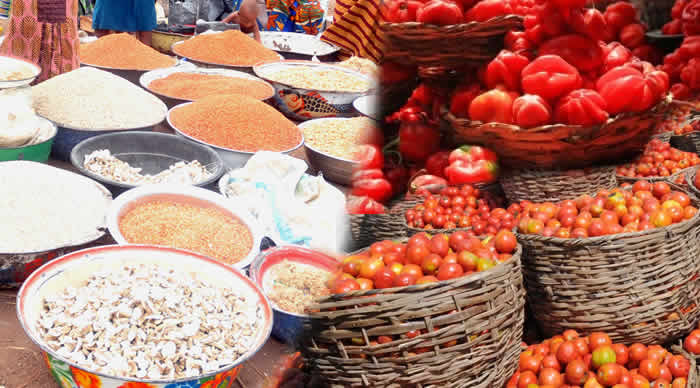
Despite the latest data from NBS, checks showed that food prices are still high, especially in the southern part of the country.